










How to Install a Campervan Solar Panel Kit Yourself?
If you have bought a solar kit and are wondering how to install it, start with the system design before picking up any tools. A good campervan solar setup is...
24/7 Pre-Sale Support — Submit a Case to Contact Us


400W N-Type Bifacial Solar Panel - 2 Pieces is backordered and will ship as soon as it is back in stock.

















400W N-Type Bifacial Solar Panel
Unlike conventional solar panels, the bifacial design captures sunlight from the front and reflected light from the rear, helping generate more usable energy throughout the day.

Capture sunlight from the front and reflected light from the back to generate more energy from the same panel footprint. Best results come when installed where the rear side can receive reflected light, such as on sand, snow, or light-colored surfaces.

Rear-side reflected and diffused light contributes additional energy from morning through evening.

Small rear-side gains can add up every year, especially in setups with reflective surfaces or elevated mounting.

Bifacial gains depend on angle, elevation, and surface reflectivity. Lift it, tilt it, and place it near a brighter surface so the back side can capture more reflected light.

High-efficiency N-Type cells deliver up to 25% cell conversion efficiency, helping maximize energy output even when installation space is limited. *Compared to previous P-Type cells (21-23% conversion efficiency)

With a lower temperature coefficient than P-Type cells, power loss is significantly reduced on hot summer days or in desert climates, allowing you to maintain consistent output.

The transparent backsheet captures rear-side reflected light alongside direct sunlight, adding to total energy output. Best results come from reflective surfaces and installations with rear-side exposure.

Lower degradation helps the panel maintain stronger energy production over time, backed by a 25-year performance warranty.

The panels are divided into two independent power zones through a parallel design, so if one side is shaded by a vent, a tree, or a rooftop obstacle, the other continues generating at full capacity.


Easily install Renogy solar panels on flat roofs, ground mounts, poles, or vertical surfaces, ensuring maximum adaptability for any setup.


400W N-Type Bifacial Solar Panel


Renogy
ShadowFlux 120W Anti-shading N-Type Solar Panel


Renogy
200 Watt 12 Volt Flexible Monocrystalline Solar Panel


Renogy
200W 12V Flexible Solar Marine Kit w/ 20A Voyager Waterproof Charge Controller


Renogy UK
200W 12V/24V Monocrystalline Solar Premium Kit w/Rover 20A Charger Controller
Renogy UK
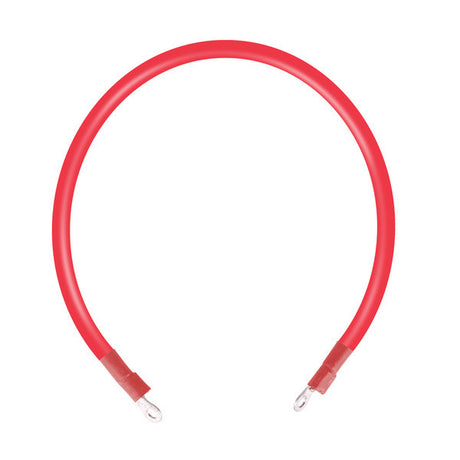
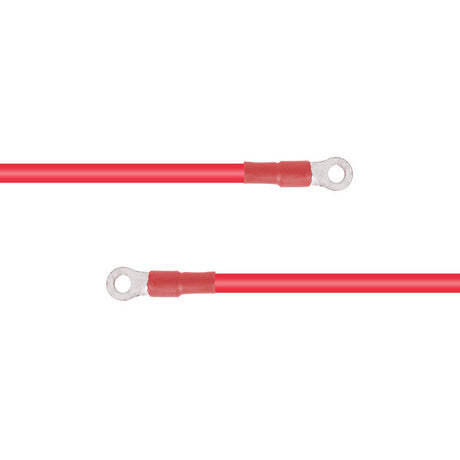
1ft ANL Fuse Cable with Double Ring Terminals for 3/8 in Lugs
If you have bought a solar kit and are wondering how to install it, start with the system design before picking up any tools. A good campervan solar setup is...

Definition: A 12V to 240V inverter converts DC power from a leisure battery into AC power for UK plug-in appliances. In a campervan, caravan or motorhome, it lets you run...

Key Takeaways of Caravan solar panels 1. Best for: caravans, campervans, motorhomes, van conversions and weekend camping setups. 2. Common sizes: 100W-200W for light use, 300W-500W+ for fridges, laptops and...

Get to learn how to wire your campervan’s power system in the U.K. with this typical campervan wiring diagram. Read more right now.

Wondering what size MPPT solar charge controller you need for your setup? Our guide walks you through sizing a solar charge controller step by step — with a handy table...

Installing a grounding system is a great way to protect your solar installation in case of lightning. If lightning hits your solar panels, a catastrophic surge can occur. In fact,...

DIY SOLAR PANELS | UK GUIDE We are happy that Renogy's DIY community continues to grow with more and more members choosing to trust our products as their go-to choice....

How many solar panels do I need in UK? 1. Simple formula: Daily watt-hours needed ÷ peak sun hours ÷ efficiency factor = required solar panel wattage. 2. Typical UK...


Pack Option
