


Solar Performance Changes Throughout the Day
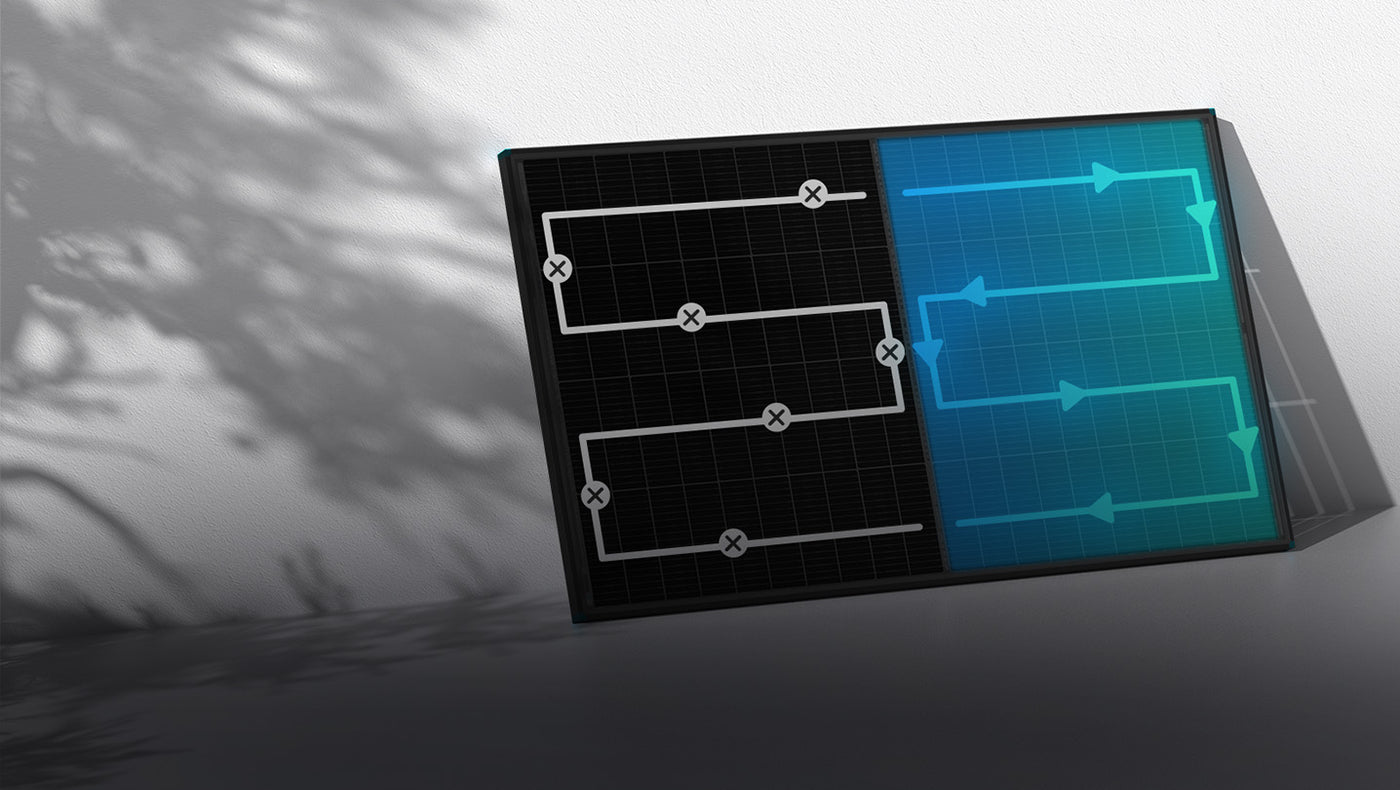
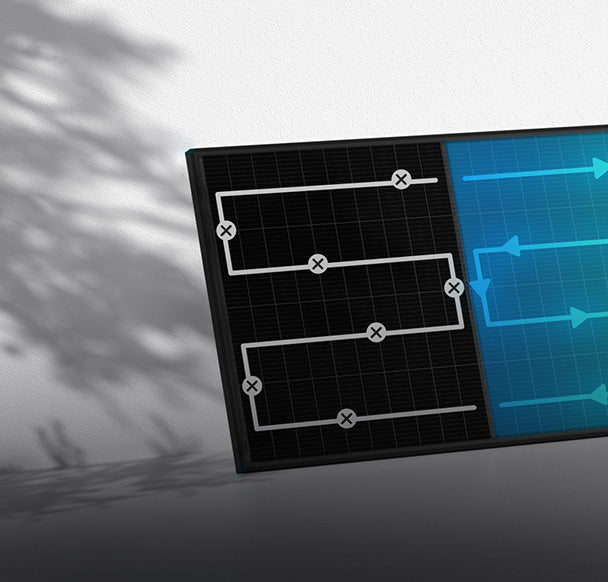
Conditions like clouds, time of day, and installation angle can all affect output.
-

Cloudy days
Lower generation
-

Morning & evening
Reduced output
-

Rated vs real
Depends on real-world conditions


Light Doesn't Just Fall, It Bounces
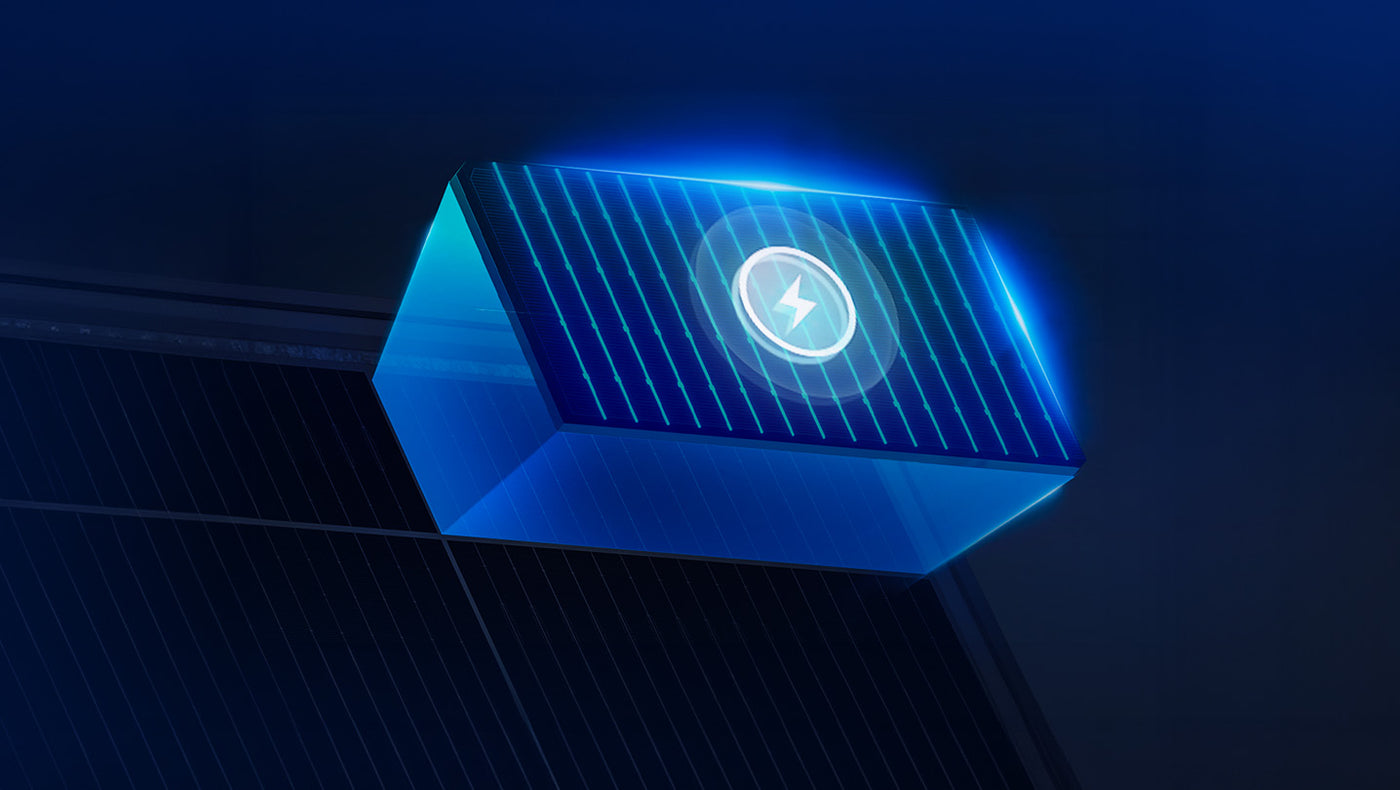
Light Doesn't Just Fall,
It Bounces


Shop With Prime Day Sale
-

100W N-Type Bifacial Solar Panel
- 30% Bifacial Gains
- IP68 Water & Dust Resistant
- 10-Year WarrantyFrom £79.99Final Price From : £71.99 -

200W N-Type Bifacial Solar Panel
- 30% Bifacial Gains
- IP68 Water & Dust Resistant
- 10-Year WarrantyFrom £149.98Final Price From: £134.99


Frequently Asked Questions
What are the Benefits of Using Bifacial Solar Panels?
What are the Benefits of Using Bifacial Solar Panels?
- Captures sunlight from both sides.
- More efficient and powerful than monofacial panels.
- Perform better in overcast weather.
- Install in any direction
What do I need to complete my off-grid solar power system?
What do I need to complete my off-grid solar power system?
A solar panel has to be connected to a charge controller to regulate current, and a battery to store the electrical power. You will need adapter kit cables to wire the solar panel(s) and charge controller, and tray cables connecting the charge controller to a deep-cycle battery.
Why is my solar panel underproducing?
Why is my solar panel underproducing?
Solar panel performance may be hindered for several reasons. Most commonly, environmental conditions such as indirect sunlight, temperature rise, cloudy sky, and dirt and stain build-up on the top glass will cause a reduced power output.
How should I connect solar panels in my electrical circuit (series vs parallel)?
How should I connect solar panels in my electrical circuit (series vs parallel)?
Solar panels can be connected in series or in parallel to meet your electrical circuit size and power demand. Connecting solar panels in series will have the effect of adding up their operating voltage output, while the system current output will be the same as that for one panel. While connecting solar panels in parallel will have a different effect, individual panels' operating current output will add up to be the system output current, while the system output voltage will be the same as the output voltage of one solar panel. To meet the optimum power output and system rating for your power system, you can use both parallel and series connections.
How many solar panels do I need?
How many solar panels do I need?
The best way to gauge how many solar panels you need is to understand and define the power load needed from this system. Power is measured in Watts, and capacity is commonly measured in Watt-hours (multiplying power output in watts by the required number of hours of operation, multiplied by a safety factor of 1.5-2). Therefore, it is wise to size your battery bank first based on the minimum required capacity, and accordingly decide how many panels or how much power input is needed.
